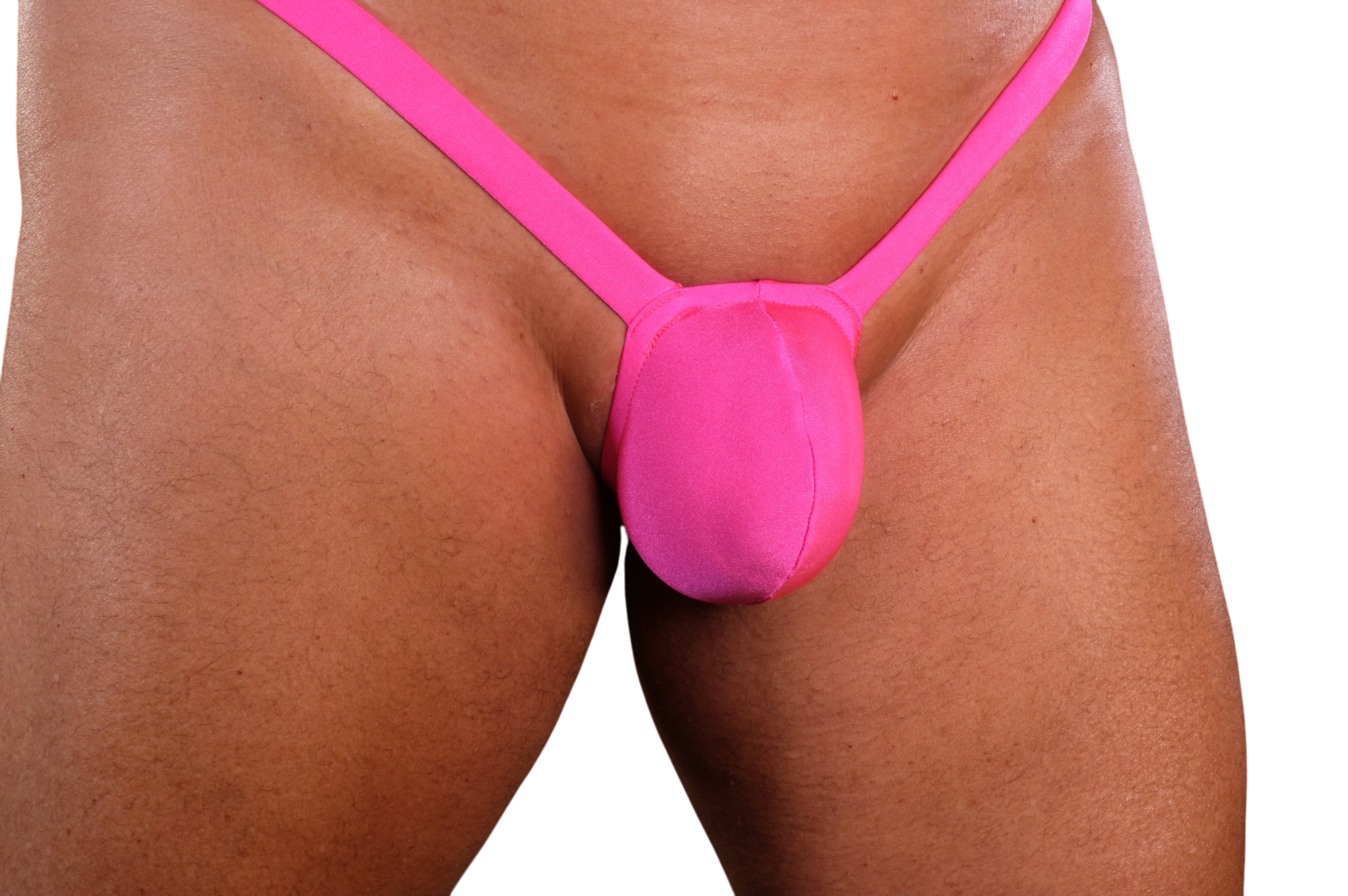
Micro Spandex Brief Swimsuits for Men: How Designs Are Getting Insanely Micro
Introduction: From Minimal to Extreme
Men’s swimwear has always evolved in cycles—from full-coverage suits to sleek racing briefs and now into a new frontier: micro and ultra-micro spandex briefs. What began as performance-driven minimalism has transformed into a bold design movement where coverage is reduced to the absolute minimum, pushing both aesthetic and engineering boundaries.
Today’s micro spandex briefs are not just smaller—they are intentionally engineered to be as minimal, body-enhancing, and expressive as possible. This article explores how and why these designs are getting “insanely micro,” and what it says about modern swimwear culture.
The Evolution Toward Micro
The journey to ultra-small swimwear starts with the classic swim brief. Introduced in the mid-20th century, briefs were designed to reduce drag and improve performance in the water.
By the 1980s, swim briefs had already become symbols of athleticism and physique, reflecting the rise of fitness culture and bodybuilding.
From there, the progression was inevitable:
- Standard briefs →
- High-cut briefs →
- Bikini briefs →
- Thongs and G-strings →
- Micro and ultra-micro designs
The defining shift came when designers began prioritizing visual impact and body expression over traditional coverage, leading to what is now known as the micro spandex revolution.
What Defines a “Micro” Spandex Brief?
Micro spandex briefs take the traditional swim brief and reduce every element:
- Front coverage: Minimal pouch, sometimes just enough fabric to contour the anatomy
- Side panels: Extremely thin—often string-like or under 1 inch
- Rear coverage: Can range from narrow briefs to thong or G-string cuts
- Rise: Ultra-low waistlines that sit far below the hips
Some of the most extreme designs reduce the suit to “little more than a thin strip of fabric,” emphasizing the body rather than covering it.
Spandex (Lycra) is critical here—it allows:
- Extreme stretch with minimal material
- Skin-tight contouring
- Quick drying and lightweight performance
Why Designs Are Getting Smaller and Smaller
1. Body Confidence Culture
Modern men are more focused on fitness and physique than ever. The idea of “your body as the flex” has become a major fashion driver, with tighter and smaller garments showcasing results from the gym.
Micro briefs are essentially the ultimate expression of this mindset.
2. Influence from Women’s Swimwear
Women’s swimwear has long embraced micro bikinis, thongs, and extreme cuts. Men’s designs are now following a similar trajectory:
- Higher cuts
- Smaller fronts
- More daring silhouettes
This cross-influence has accelerated the move toward ultra-minimal designs.
3. Freedom of Expression
Swimwear is no longer just functional—it’s personal.
Modern micro briefs allow wearers to express:
- Style identity
- Confidence level
- Gender expression
- Fashion-forward thinking
Designers are now creating suits that cater to niche aesthetics, including ultra-minimal, sculpting, and even gender-blending concepts.
4. Niche to Mainstream Shift
Micro swimwear was once limited to niche markets, but it is increasingly visible:
- Fashion brands showcasing smaller cuts
- Celebrities embracing tighter swimwear
- Social media normalizing bold styles
Even traditionally conservative markets like the U.S. are seeing growing acceptance, with tighter and shorter swimwear trending again.
The Engineering Behind “Insanely Micro” Designs
Creating extremely small swimwear isn’t just about removing fabric—it requires precision design.
Advanced Fabric Use
- High-elasticity spandex blends
- Ultra-thin yet durable materials
- Fabric that maintains shape even when wet
Pouch Construction
The pouch is the centerpiece of micro designs:
- Contour pouches that enhance shape
- Minimalist pouches that compress or flatten
- Sculpted pouches that define a specific silhouette
With less fabric available, the pouch must do more work—both structurally and visually.
Seam and Cut Innovation
- Seamless or near-seamless construction
- Laser-cut edges
- Micro-banding instead of traditional waistbands
Every millimeter matters in micro designs, so construction becomes highly technical.
Popular Micro Variations
Micro Bikini Briefs
- Slightly more coverage than extreme designs
- Narrow sides, compact pouch
- Entry-level for micro enthusiasts
Micro Thongs
- Minimal rear coverage
- Thin waistband and ultra-small front
- Focus on total freedom and minimal tan lines
G-String Swim Briefs
- String sides and back
- Pouch-only front designs
- Among the smallest functional swimwear options
Ultra-Micro / “Pouch-Only” Concepts
- Fabric reduced to the absolute minimum
- Designed to create a nearly nude appearance
- Often the most experimental category
Cultural Impact: A New Era of Men’s Swimwear
The rise of micro spandex briefs represents a broader shift:
- From modesty → expression
- From function → fashion statement
- From uniform styles → extreme diversity
Globally, many regions already embrace smaller swimwear as standard, while in places like the United States, adoption is growing as attitudes evolve.
What was once considered shocking is becoming normalized—especially among younger generations and fashion-forward communities.
Conclusion: The Future Is Smaller
Micro spandex brief swimsuits for men are not just a passing trend—they are the leading edge of swimwear evolution.
As fabrics improve, body confidence rises, and fashion boundaries continue to blur, designs will likely become even more minimal, more engineered, and more expressive.
In many ways, the question is no longer how small is too small—
but rather how far designers can push the limits of minimalism while still creating a functional swimsuit.